Components
SmartFlow
Siphonic Outlets
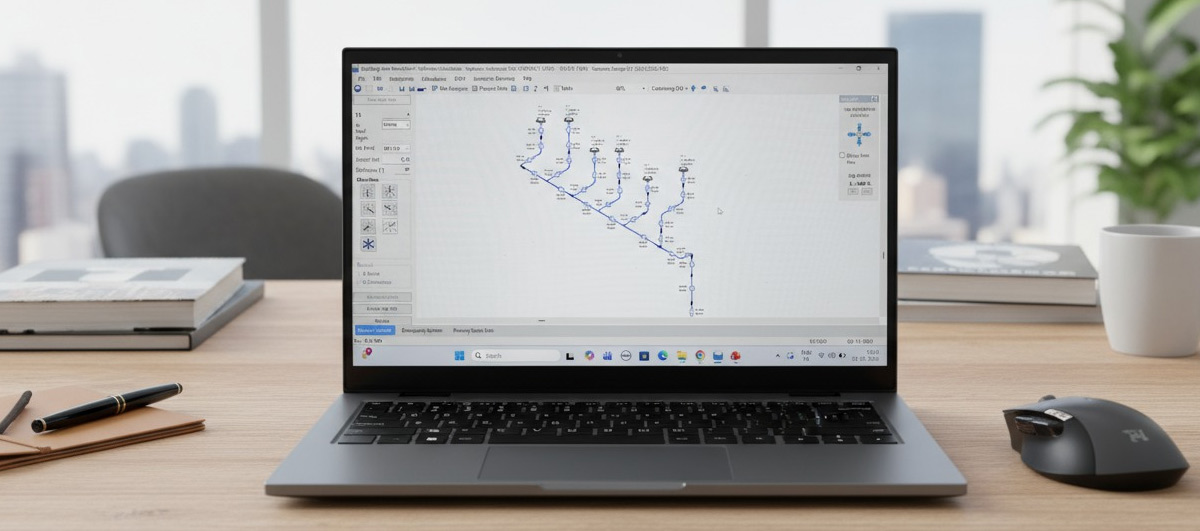
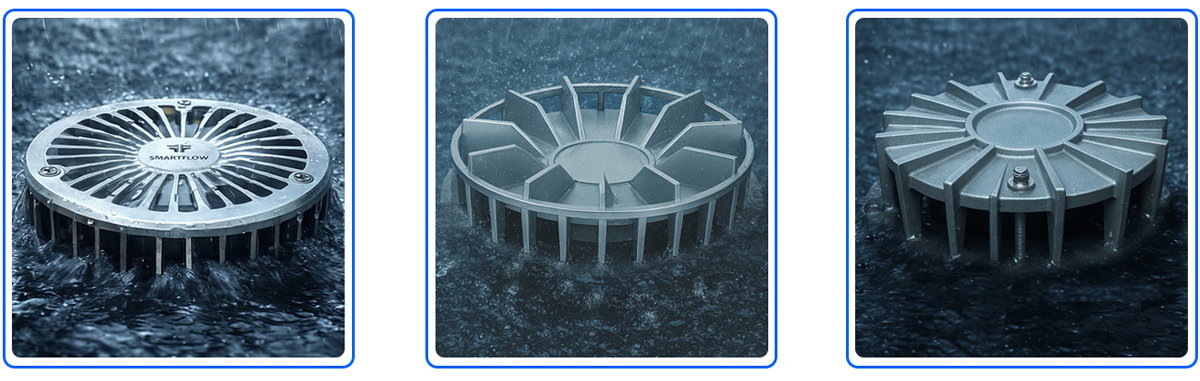
The SmartFlow outlets are the core components of the siphonic drainage system, designed to prevent air from entering the pipes and thereby create the siphonic effect. This ensures efficient drainage of even the heaviest rainfall from any type of building. With a wide range of outlet options and system layouts optimized through dedicated design software, SmartFlow guarantees maximum system efficiency and reliability.
SmartFlow siphonic outlets are engineered with precisely calculated gap sizes in the top cover, allowing small particles to pass through during high-velocity water flow under siphonic action. These particles are then flushed down to the chamber, making the entire system inherently self-cleaning by design.
The outlets can be installed at distances of up to 20 meters apart, significantly reducing the number of outlets required per project. Despite fewer outlets, the system performs up to ten times faster than conventional gravity drainage, delivering unmatched efficiency and performance in rainwater management.
Pipework Material
& Jointing System
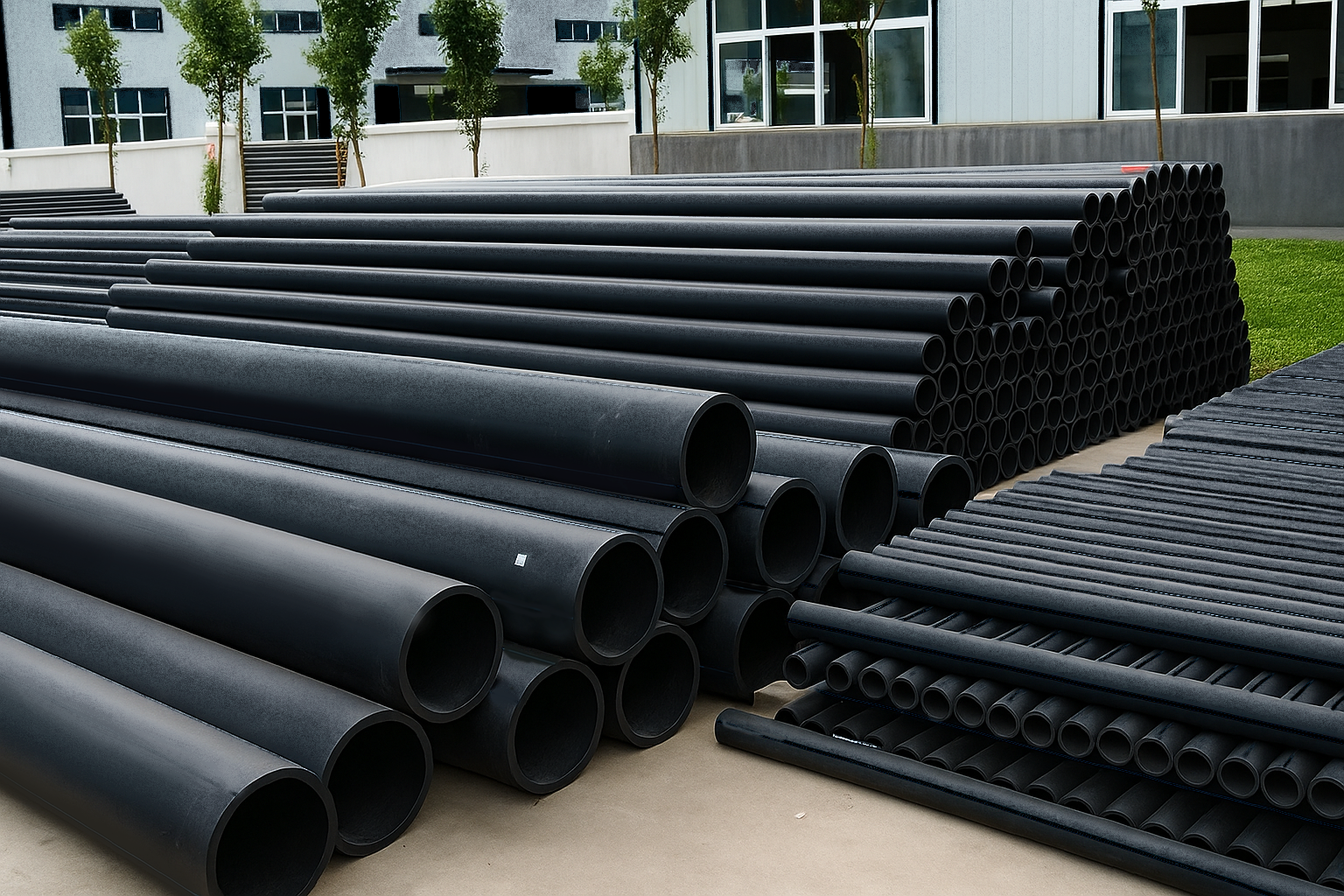
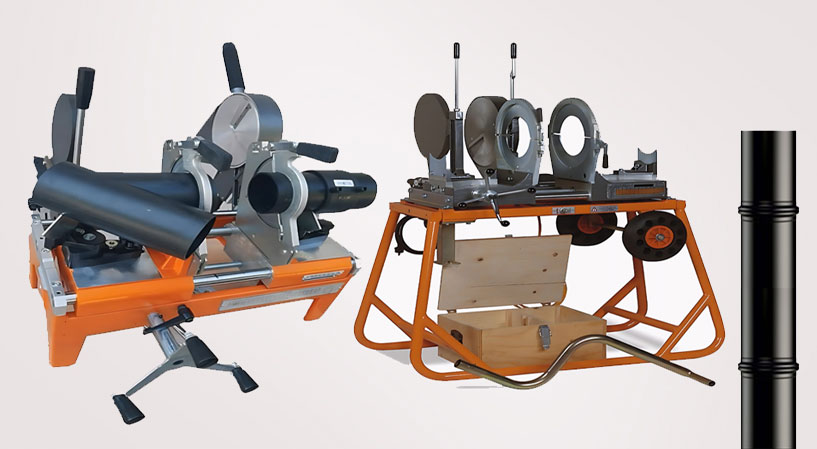
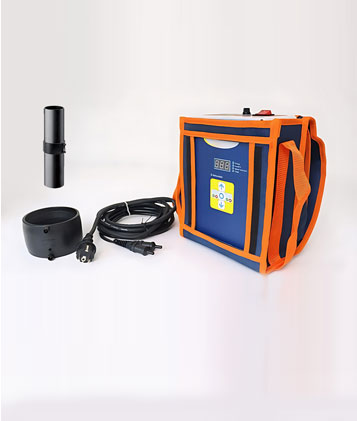
The pipework material and jointing system used in a siphonic drainage installation must meet stringent performance requirements due to the high velocities and negative pressures generated within the system. These components must consistently withstand internal forces and securely contain rainwater under all operating conditions.
The Smartflow Siphonic System utilizes special class HDPE pipes and fittings, which offer superior strength, durability, and flexibility. This material provides inherent advantages such as excellent impact resistance, corrosion-free performance, and long service life — ensuring a safe, leak-free, and maintenance-friendly installation.





Support
& Fastening System
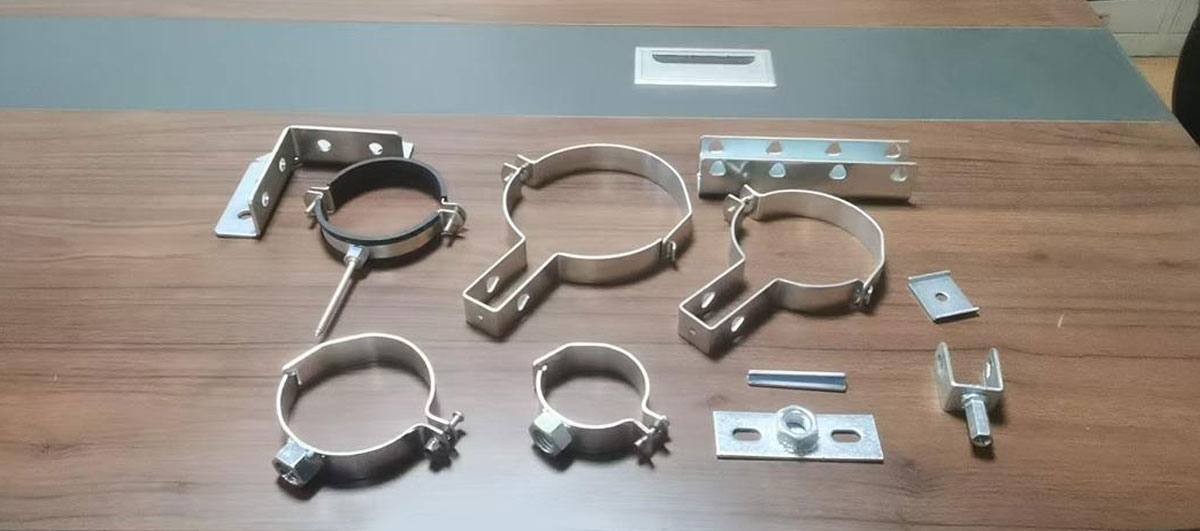
A broad selection of high-quality fastening components enables quick and secure system installation while preventing stress build-up in pipelines caused by the thermal expansion of HDPE pipes. This makes the Smartflow Siphonic System particularly suitable for long-span buildings and large roof areas.
With the use of modular support systems, the number of ceiling fixing points can be significantly reduced, resulting in faster, easier, and more efficient installation without compromising stability or performance.